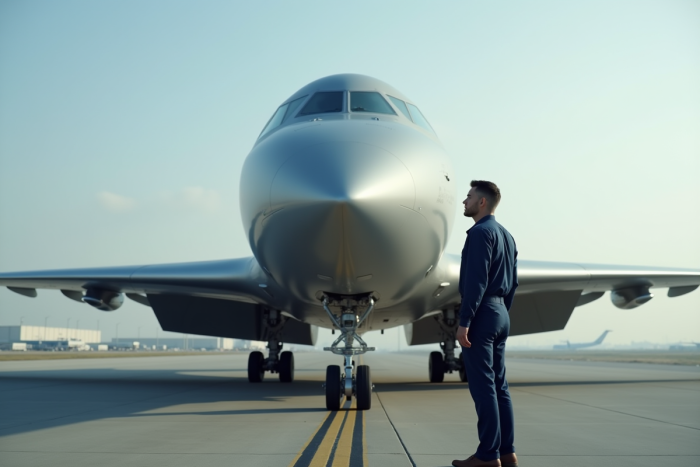
Airbus accelerates against the tide: the European manufacturer is mobilizing billions for hydrogen, while Boeing is forging alliances to dive into the race for electric planes. Now, innovation is no longer limited to flashy announcements of new aircraft: production lines are urgently adapting, caught between skyrocketing raw material prices and tightening regulations on CO2 emissions. Every player must react without delay, or risk falling behind.
On the airline side, yesterday’s major partnerships are wavering. Pressure from Gulf carriers, rapid advances by Asian players: no established model seems safe. Now, the quest for a technological or operational edge is reshaping strategies. The aviation industry is evolving quickly, with no turning back possible.
Aviation giants forced to rethink their model: ecological shift and global domino effect
The aerospace scene has never experienced such upheaval. With a soaring ecological imperative and a more demanding population of travelers, the sector must reassess its priorities. Europe, positioning itself as an inspiration, serves as a true open-air laboratory for all innovations.
Behind the scenes, the observation of living beings inspires unexpected evolutions. The ballet of a raptor, the bond between falconer and bird during demonstrations in the town of Chauvigny, reminds engineers that agility and trust are essential to transform the human-machine relationship. This silent dialogue feeds concepts of mastery and safety in modern engineering.
Airlines are moving forward openly: pure performance alone is no longer enough. Focus is on resource management, investment in training, and of course, concrete commitment to reduce carbon footprints. Here’s how priorities are organized on the ground:
- developing new alternative fuels,
- lightening and rethinking aircraft design,
- optimizing each route to limit consumption and emissions.
One player stands out particularly thanks to its extraordinary resources: the largest airline, which is investing heavily in modernizing its fleet and leaving no stone unturned to transform its model.
Inspiration from nature: the rigor of nature serving high technology
Let’s see how this inspiration translates into action:
- Experts like Simon Thuriez or Céline at the Château des Évêques rely on trust and deep knowledge of each animal to ensure protection and efficiency: an approach that is reflected in modern team management and the design of sustainable solutions.
- On an industrial scale, preventive maintenance becomes the norm, energy efficiency is imposed, and every technical skill is updated in pace with innovations.
For all lives, whether amazed visitors or highly skilled personnel, this choice of listening and adaptability takes root. No longer is it just about brute force: precision, patience, and collective intelligence take center stage, from the cockpit to the workshops.
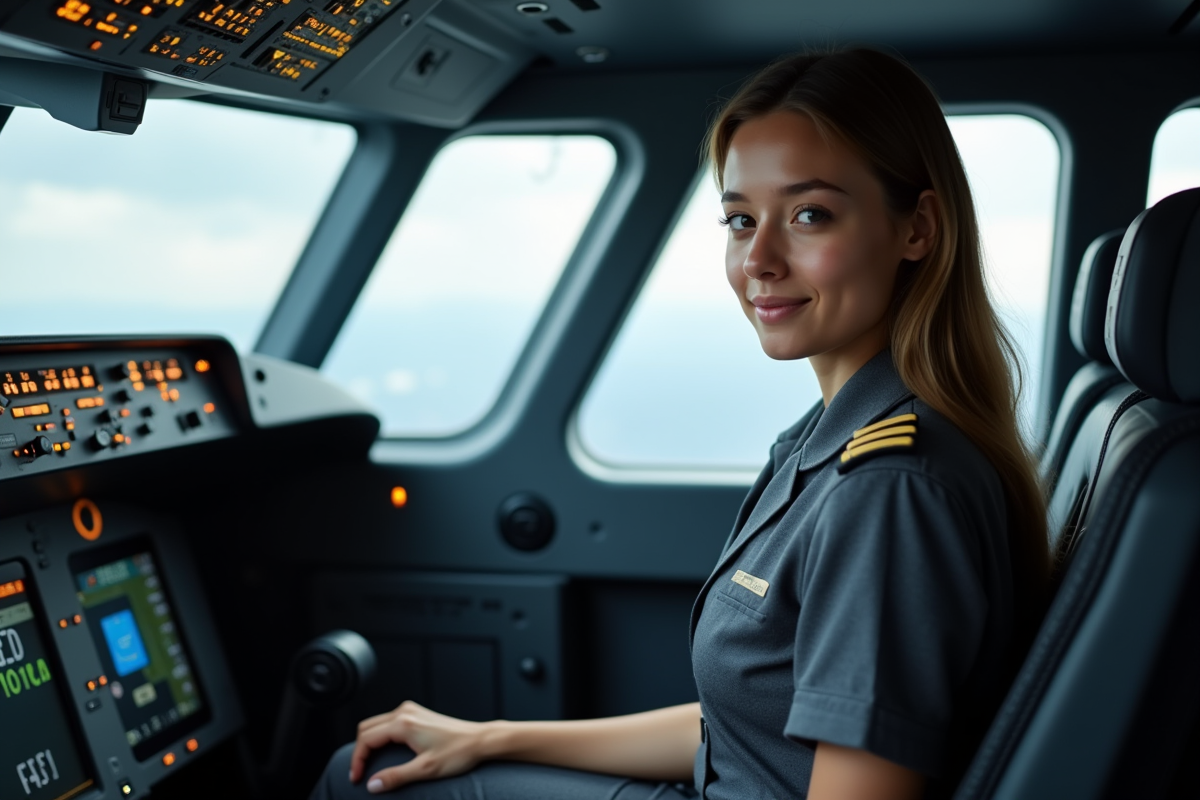
Hydrogen, unprecedented collaborations, and responsibility: the aviation of tomorrow is reinventing itself under constraints
The aviation sector is undergoing a forced transformation. In the face of the climate challenge, manufacturers, airlines, and engine makers are converging towards hydrogen, the true buzzword of the moment, while rapidly experimenting with alternatives. Everywhere, in Toulouse, Nantes, and the factories and laboratories of Western Europe, research is making leaps forward. Alliances between public and private research, a multiplication of pilot projects: no one allows themselves the luxury of isolation.
With each new advancement, the same goal: reduce fuel consumption and limit environmental impact. It is no longer a competition; it is a group effort: every flight, wherever it departs from, becomes a testing ground for tomorrow’s solutions.
But one piece is missing from the puzzle: a fine understanding of living beings. The educational demonstrations in Chauvigny, where eagles and vultures show that the success of a flight depends on a fragile balance, also send their lesson to engineers. Mastering technology is essential, but without losing sight of natural rhythms and the transmission of skills acquired over time.
In the hangars, in simulators, and on the runways, the aerial landscape continues its transformation. Behind the fuselage of the new giants of the sky are men and women in constant vigilance, attentive to the slightest signal, who are shaping the future: and in their gaze, often, is the reflection of a raptor in full flight, ready to seize the unprecedented.