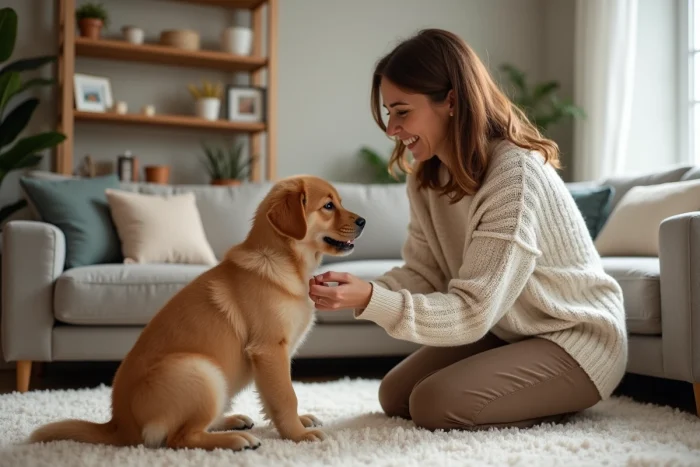
A dog can live up to 15 years, but poor socialization during the first weeks impacts its behavior for life. The arrival of a puppy often coincides with an intense learning period for the household.
Some breeds require a strict routine, while others adapt more easily to changes in habits. Legislation sometimes imposes specific administrative steps depending on the type of dog adopted. Mistakes in managing the first days are still common, although there are precise recommendations to limit complications.
Understanding a puppy’s needs before its arrival
Adopting a puppy is not about giving in to an impulse or being charmed by a cute face. Even before it sets paw in your home, you need to anticipate what it will expect from you. The dog breed plays a major role: temperament, energy level, interaction needs, growth… everything stems from there. Some dogs require daily stimulation, opportunities to meet other dogs, and constant learning. Others, more independent, can manage with a simple routine, but all need a clear and reassuring framework.
Preparing the home means providing a space where the young animal will feel safe. A place of its own, away from the hustle and bustle, with water available and a comfortable bed. The environment shapes the puppy’s balance. It observes, it copies, it tests: suitable toys encourage it to think, and quality food supports its growth. Expectations and advice vary depending on the breed; to avoid unpleasant surprises, consult detailed breed profiles, especially on the Mon Animal de Compagnie website. This allows you to check if the breed that attracts you will fit with your lifestyle and desires.
The first visit to the veterinarian sets the course: vaccinations, deworming, initial insights on health and hygiene. Preparing your questions in advance ensures nothing is left to chance. Professionals emphasize the importance of gradual socialization: short walks, controlled meetings with other dogs, familiarization with household noises. These steps, often overlooked, will weigh heavily on the balance of the adult dog.
Knowledge and advice are constantly evolving. Staying informed, comparing different breeds, and learning from the experiences of other owners provide your animal with the foundation for a solid, respectful, and lasting relationship.
What practical advice for welcoming your new companion peacefully?
Preparing for the arrival of a puppy or an adult dog requires some organization, but certain actions make all the difference. First and foremost, reserve a quiet space for it, away from the comings and goings of the house: its bed will become its anchor, a refuge to manage excitement or apprehension. Place food bowls, dog toys, and absorbent mats nearby, without overloading the area.
The dog food must be chosen carefully, suitable for the size, age, and health of the animal. Certain foods must be strictly avoided: chocolate, avocado, grapes… all potential traps that can seriously harm its health.
Key points for a successful arrival:
Some habits greatly facilitate your dog’s or puppy’s adaptation:
- Introduce each family member without rushing, allowing the animal time to get its bearings.
- Establish clear routines: fixed meal times, regular walks, dedicated playtime.
- Focus on short, fun activities for dogs, always suited to its age and energy level.
- Start training from the first days, gently but with consistency and coherence.
Attention should also be paid to everything that is within reach of its nose: store away medications, cleaning products, and breakable items. For puppies, secure electrical cords and stairs, as curiosity knows no bounds at this age. The advice for welcoming a dog applies from one animal to another, but each breed has its unique characteristics. To go further, consult breed profiles to refine your preparation and meet its real needs.
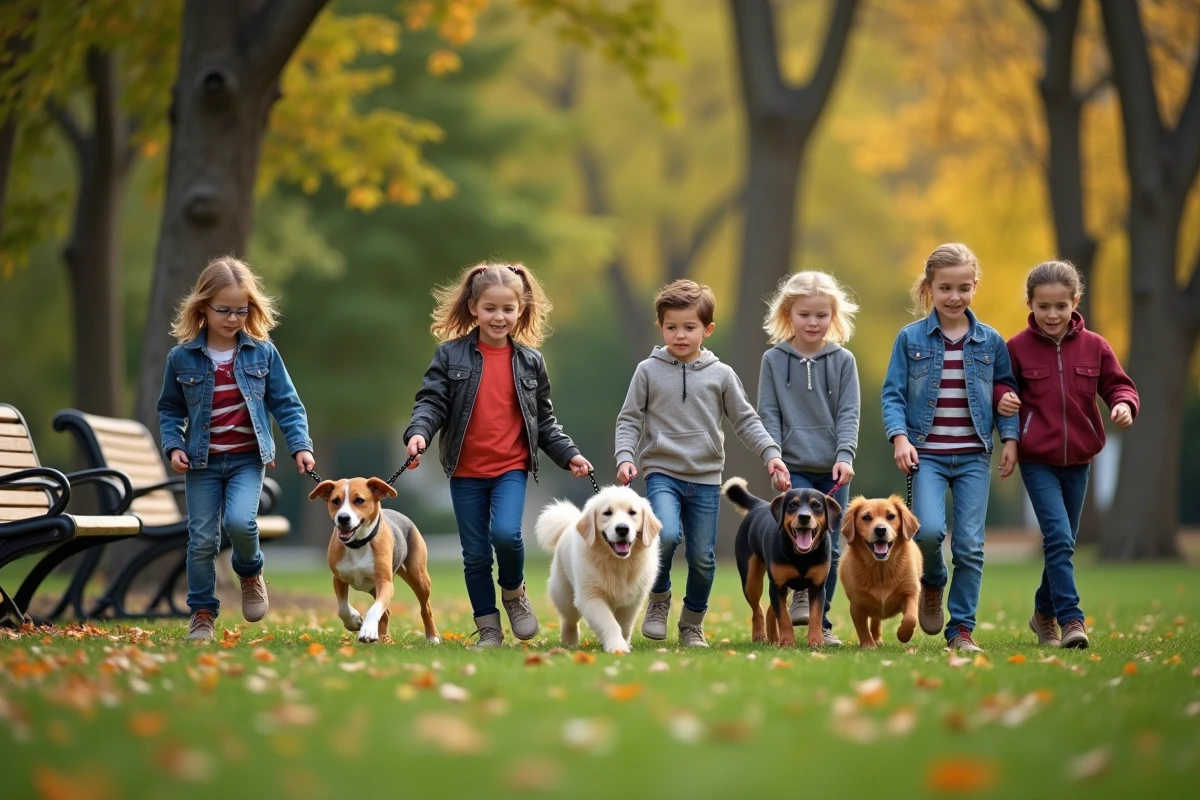
Useful resources and tips for supporting your puppy’s first steps
The first days with a puppy often raise the same questions: how to help it adapt without unnecessary stress? To lay a good foundation, certain steps are essential. Schedule a first veterinary visit soon after arrival: health check, vaccination planning, parasite prevention. The health record, issued at this time, will follow the animal throughout its life.
For daily life, the veterinary advice section on www.mon-animal-de-compagnie.net offers clear resources: personalized nutrition, growth tracking, prevention of common diseases. And because unforeseen events do not give warning, dog health insurance, whether it’s a mutual plan or a tailored contract, provides welcome peace of mind, with solutions adjusted according to age or breed.
Some tips to facilitate early learning:
Here are practical tips to make learning smoother, step by step:
- Opt for positive reinforcement: praise, small rewards, rituals after each progress.
- Choose sturdy toys, suitable for the size and strength of the jaw.
- Break down learning tasks: house training, recall, leash walking… One goal at a time, to avoid overwhelming the animal.
To go further, the breed profiles detail the specifics of each type of dog, from border collies to French bulldogs. Certain behaviors or health sensitivities vary greatly by breed: it’s better to educate yourself before committing. The quality of socialization, management of solitude, and prevention of minor daily accidents will weigh heavily on the puppy’s well-being… and the serenity of the whole family. Adopting a dog is writing a story together, where every detail matters from the very first page. The rest? It will depend on the attention given to these crucial beginnings.